VACCINATIONS? WARNING!
The double face of vaccination.
before taxes, then strongly recommended, it is proven that they are not always very useful and sometimes even dangerous.
This link provides valuable information, but also explains what to do - legally - if you do not want to vaccinate their children. INTERESTING ...
http://universoolografico.forumfree.it/?t=52749669
Thursday, December 30, 2010
Wednesday, December 29, 2010
Shotacon Movie Online
IgA deficiency and autoimmunity.
selective deficiency of immunoglobulins A - Clinical manifestations
The majority (85-90%) of IgA-deficient individuals are asymptomatic. Moreover, it is unlikely that in the absence of other primary immunodeficiencies associated with, children who are less than 5 years and a serum IgA concentration> 5 mg / dL gets a serious deficit in the subsequent period (58). This observation was confirmed in a study evaluating the clinical course in 40 children with severe disease (defined as concentration of serum IgA \u0026lt;5 mg / dL) and 40 with partial deficiency (IgA> 5 mg / dL but with values \u200b\u200blower than 2 standard deviations from normal mean values) (64). At a distance of 4 years after initial diagnosis, the levels serum IgA had become normal in about 50% of children with partial deficiency. In contrast, normal levels of IgA were not observed in the group of children with severe disease initially.Monday, December 27, 2010
Cancel A Visa Appointment Without Identification
Santa
The beautiful Santa of POST precedent was created by children of asylum.
First we colored red card in the shape of a triangle with rounded along the top, an open cone, HERE you can download the pattern.
Then we glued the dotted line ...
... closed on itself ...
and built a cone.
Finished with a beard and pom-pom of cotton glued with hot glue and eyes moving.
Or with nettapipe and felt like what I did and with whom I've won a prize !
The beautiful Santa of POST precedent was created by children of asylum.
First we colored red card in the shape of a triangle with rounded along the top, an open cone, HERE you can download the pattern.
Then we glued the dotted line ...
... closed on itself ...
and built a cone.
Finished with a beard and pom-pom of cotton glued with hot glue and eyes moving.
Or with nettapipe and felt like what I did and with whom I've won a prize !
Sunday, December 26, 2010
Igre Saskesakura Inaruto
The Penguin ball for Christmas tree
kindergarten this year has arrived ... A family of penguins!
Here they are hanging on our Christmas tree !
(Sorry, the photos came very badly.)
We used the same form for the colored balls on the Christmas tree , which you can download HERE and we colored in black.
Then we cut out the shape of a basal egg white glue in the black ball.
Then add the mobile eyes, a nose and a colorful bow.
I'm just a nice little family :-)
kindergarten this year has arrived ... A family of penguins!
Here they are hanging on our Christmas tree !
(Sorry, the photos came very badly.)
We used the same form for the colored balls on the Christmas tree , which you can download HERE and we colored in black.
Then we cut out the shape of a basal egg white glue in the black ball.
Then add the mobile eyes, a nose and a colorful bow.
I'm just a nice little family :-)
Friday, December 24, 2010
Ice Skating On A First Date
Greetings! Christmas Giveaway
Merry Christmas to all friends of this blog, I love to share with you my creativity and that of "Arrested Development" puppies.
I wish you and the children of my party asylum beautiful ....
This Santa Claus cardboard and felt I won on the premium on BRICO ♥ ♥ ♥ ♥ ♥ ♥ ART thank Simon for the wonderful sy Facebook page that allows me to collaborate.
Merry Christmas to all friends of this blog, I love to share with you my creativity and that of "Arrested Development" puppies.
I wish you and the children of my party asylum beautiful ....
This Santa Claus cardboard and felt I won on the premium on BRICO ♥ ♥ ♥ ♥ ♥ ♥ ART thank Simon for the wonderful sy Facebook page that allows me to collaborate.
Tuesday, December 21, 2010
Saturday, December 18, 2010
Friday, December 17, 2010
Bow And Arrow Shoot At Balloons
COMBINE SCIENCE AND BIOETHICS
rejuvenate cells
The IPSC are not embryonic stem nor adult stem cells, but are accessible through the reprogramming of mature cells, which under suitable manipulations regress back undifferentiated. Currently a dozen cell types (including the skin ) were reprogrammed to turn them into stem . To get the
IPSC scientists first identified those genes that are active in pluripotent cells and not that different. Of these genes (approximately twenty) have been then selected four that were the fundamental ones for reprogramming.
The development of this technology has primarily had implications at the conceptual level: it was actually disproved the belief that, once differentiated, a cell can no longer go back to the stage of immature stem. In addition to this the induced stem have also opened new possibilities of treatment and have resolved, at least in theory, many of the issues related to the application of therapeutic stem "classic."
What are the advantages of stem cells induced cells compared to typical embryonic or adult stem cells? First of all the ethical problems that often limit scientists working with cells embryonic stem cells are no longer with IPSC, and this is no small thing. The stem induced may in fact be phenotypically similar to pluripotent stem cells from embryos, but in fact they are not embryonic, that were not generated by an event of fertilization. This feature makes them virtually immune from ethical or religious discussions, which in our country have a particularly high weight. The IPSC cells are "whatever", which were differentiated, and that simply have been rescheduled to return stem. In short, try to recognize the dignity of "individual" to stem induced (as is done with the embryos) would be strong enough.
addition to the ethical problems with the IPSC were also resolved some technical difficulties. Getting IPSC is a simpler process at the technical level of what passes through cloning to obtain stem embryos.
However, the use of stem induced is still immature and needs improvements before it can be exploited through practical applications. The difficulties, in fact, have not yet been completely overcome. Although IPSC displayed very similar to pluripotent stem normal and express different markers of pluripotency, they can not always behave truly pluripotent cells. Research is therefore currently focused on developing effective methods to identify and select stem cells induced able to work well from the others. Change of identity
While there trying to solve problems related to the use of the IPSC , there are other parallel developments that are in the field of control of cell differentiation. Scientists announce that they have already gone beyond the technology. Recently, in fact, the journal Nature published an article in which some researchers describe how they managed to overcome the concept of stem cell induced blood obtaining cells from dermal fibroblasts without going through the stage of stem cell. With IPSC had already understood that a differentiated cell can retrace your steps and give up the identity that had acquired, making stem and then eventually differentiate into other tissue types. Thanks to this new study we now know that the stage of stem cell can be bypassed, and a fabric can be induced to be converted to another directly.
Researchers at McMaster University who led this study are therefore able to change the identity of the cells of the skin in the blood cells. This was achieved by inducing the expression of transcription factors that are usually active during hematopoiesis, and thanks to the stimulation with some cytokines. This has led to the first generation of cells expressing the leukocyte marker CD45, and then to the various cells of the leukocyte and erythrocyte. The important thing is that all this was obtained by activation of the mechanisms of adult hematopoiesis, and not those of undifferentiated embryonic cells.
will have to pass some time before we can have therapeutic and practical application of these new advances in our understanding of the mechanisms of cell differentiation. Both IPSC that technologies that allow the direct exchange of cell identity are yet to refine and optimize. These results, however, abound more and more convinced that the development of biotechnology will be similar to the base of the medicine of tomorrow. The ethical issues arising from the use of stem cells embryonic definitely will one day be bypassed, and treatment of many diseases can be easier, more effective and perhaps cheaper.
Thursday, December 16, 2010
Pattycake - In Training
Schonlein-Henoch
| purple Henoch-Schonlein |
Henoch - Schonlein (HSP) can be considered a systemic vasculitis with predominant skin involvement that affects mainly children and rarely adults (1.2). The disease is characterized by tissue deposition of immune complexes containing IgA. This makes it very similar to IgA nephropathy to share some aspects with the renal histology. The framework
skin characterized by palpable purpura and / or petechiae is very similar to that found in the course of cryoglobulinemia and hypersensitivity vasculitis.
The HSP has been reported in cases ranging in age from 6 months to 86 years but most patients are children. The average age is 6 years, 75% of patients younger than 8 years and 90% less than 10 years. The more young age seem to be less severe clinical symptoms. In younger children nephritis and abdominal complications are more rare and less severe. On the other hand seems to be moving the disease in adults with more severe symptoms, and nephritis be more frequent. Some authors report a frequency of renal complications in 85% of adults in a 13% with severe renal impairment. Even the possibility of recurrence is more common in adults.
Most patients become ill in the autumn or winter and HSP is often preceded by respiratory tract infections. Many bacteria have been suspected as triggering factors including: b-hemolytic streptococci group A, hepatitis B, herpex virus, parvovirus B19, Coxsackie virus, adenovirus, helicobacter pylori. Even environmental factors and drugs have been viewed with suspicion but no proof certain.
Events Clinics
The clinical manifestations of HSP are shown and are made in the classic tetrad: rash, arthralgia, abdominal pain and renal disease. However, rarely may be affected other organs such as the central nervous system and lung.
The purple skin is the essential criterion for the purpuric lesions may be preceded by urticarial manifestations, sometimes associated with edema, or macular and papular lesions. The classic picture is made up of palpable purpura with lesions of 2-10 mm in diameter affecting the lower limbs symmetrically and / or buttocks.
Arthritis is the second event in the 75% of cases and mainly affects the knees and ankles. Initially it may be highly disabling but resolves spontaneously and does not lead to joint deformities.
bowel involvement is present in 50-75% of patients and is mostly characterized by abdominal colic, vomiting and bleeding of the intestinal tract. The intussusezione is a rare complication (1-5% of cases) but serious. In contrast to the classical localization of the ileo-colic intussusezione idiopathic, in the course of HSP is ileo-ileal in 70% of cases.
nephritis is present in 40% of cases and the main symptom is hematuria. The presence of microscopic hematuria is a constant in the course of the disease but in some cases there will be considerable severity of gross hematuria. In 2 / 3 of patients with renal involvement proteinuria is present but proteinuria alone is rare. The presence of renal involvement is not correlated to the severity of other clinical conditions, in particular not necessarily an important framework to associate a skin is just as important renal disease. It appears that the HSP nephritis represents about 15% of all glomerulopathies' s childhood.
There is a correlation between the severity of renal biopsy and organ. Patients with asymptomatic hematuria alone were mostly focal mesangial glomerulonephritis. The appearance of proteinuria is usually associated with an increased proliferative component while the presence of nephrotic proteinuria is frequently associated the presence of crescent.
The percentage of glomeruli with crescent there seems to be the most important prognostic data for the evolution of renal disease. In a study of 151 children followed children for 18 years showed that: 1
. Among patients with crescent in 50% of glomeruli 37% progressed to complete renal failure and il18% to a chronic renal failure.
2. 86% of children who were facing crescent with renal insufficiency had at least 50% of glomeruli.
3.Il 70% of patients who were cured had few or no crescent in the renal biopsy.
There is a correlation between the severity of renal biopsy and organ. Patients with asymptomatic hematuria alone were mostly focal mesangial glomerulonephritis. The appearance of proteinuria is usually associated with an increased proliferative component while the presence of nephrotic proteinuria is frequently associated the presence of crescent.
The percentage of glomeruli with crescent there seems to be the most important prognostic data for the evolution of renal disease. In a study of 151 children followed children for 18 years showed that: 1
. Among patients with crescent in 50% of glomeruli 37% progressed to complete renal failure and il18% to a chronic renal failure.
2. 86% of children who were facing crescent with renal insufficiency had at least 50% of glomeruli.
3.Il 70% of patients who were cured had few or no crescent in the renal biopsy.
It 'important to remember that some symptoms may precede the purple and thus make the diagnosis more difficult. The arthritis may precede the purple over a week in 25% of cases and may precede intestinal involvement of the purple two weeks in 20% of patients. Hardly nephritis above the main symptom and may even follow the purple and the other symptoms by weeks or months. In fact 75% of patients with nephritis will do it within 4 weeks and 95% within 3 months.
nephritis is the only event that can otherwise become chronic disease tends to resolve within a month.
1 / 3 of patients have relapses but even these tend to resolve within four months. Some authors argue that a large number of relapses predisposes to the development renal disease.
nephritis is the only event that can otherwise become chronic disease tends to resolve within a month.
1 / 3 of patients have relapses but even these tend to resolve within four months. Some authors argue that a large number of relapses predisposes to the development renal disease.
Diagnosis
In children the symptoms are characteristic tetrad of HSP is virtually characteristic idisturbi diseases such as bleeding or sepsis can easily be excluded. In adults should be excluded but other systemic diseases and autoimmune diseases such as hypersensitivity vasculitis or lupus erythematosus sitemi that could cause similar symptoms. Confirmation of the diagnosis of HSP requires the demonstration of tissue deposits of IgA in skin biopsies or in the kidneys. Skin biopsy shows the presence of a leukocytoclastic vasculitis predominantly post-capillary veins. This finding is not specific (as is found in other forms of vasculitis) unless it is accompanied by vascular deposits of IgA that can sometimes be seen even in non-affected skin.
There are also some criteria that help distinguish between HSP and hypersensitivity vasculitis. In one study it was stated that this is a hypersensitivity vasculitis and not an HSP with an accuracy of 74% if NOT have more than two of the following criteria:
1.porpora palpable
2.dolore abdominal
3.Sanguinamento intestinal
4.ematuria
5.Età of onset> 20 years.
2.dolore abdominal
3.Sanguinamento intestinal
4.ematuria
5.Età of onset> 20 years.
Prognosis
Overall, the prognosis is good in most patients. In children, complete recovery occurs in 94% of cases. but, considering the adults, only 89% of patients.
Most events resolve spontaneously even if they may have recurrent episodes of glomerulonephritis which is purple.
The prognosis of renal disease is also good as it seems that the disease is responsible for 3% of cases of renal insufficiency of childhood.
Considering some work on this we can say that in children:
Most events resolve spontaneously even if they may have recurrent episodes of glomerulonephritis which is purple.
The prognosis of renal disease is also good as it seems that the disease is responsible for 3% of cases of renal insufficiency of childhood.
Considering some work on this we can say that in children:
1. After 2 years, half is in complete remission, while 1 / 3 of patients had persistent abnormal urine examination but with normal renal function
2. On 88 children followed for 10 years, most of those with only abnormal urine examination has been in complete remission while some of those with renal failure at presentation progressed to complete renal failure.
3.Su seguti 78 children 17 to 23 years (22%) had deterioration of renal function clinch. In this group there were also seven who had gone into complete remission after 10 years. Yet 36% of 44 pregnancies were complicated by hypertension and proteinuria.
2. On 88 children followed for 10 years, most of those with only abnormal urine examination has been in complete remission while some of those with renal failure at presentation progressed to complete renal failure.
3.Su seguti 78 children 17 to 23 years (22%) had deterioration of renal function clinch. In this group there were also seven who had gone into complete remission after 10 years. Yet 36% of 44 pregnancies were complicated by hypertension and proteinuria.
To explain this evolution in the time it was assumed that during the phase of HSP is you had an irreversible reduction in the number of nephrons that drove the remaining to hyperfiltration and compensatory hypertrophy. After years, these changes would lead to glomerular damage independent of the disease (HSP) that had triggered.
Therapy
So far there are no prospective controlled studies on the use of corticosteroids in HSP although many data suggest their efficacy in the treatment of arthritis and abdominal pain. However, there are no data to suggest their efficacy in the treatment of purpura on duration of the illness or the possibility of preventing recurrence.
Few are the evidence of their efficacy in the treatment of renal complications although in an uncontrolled but prospective study in children with severe nephritis (> 50% crescent of the renal biopsy) of steroid boluses (30 mg / kg / daily for 3 days) have been able to improve the glomerulonephritis and prevent the progression of the disease.
Other studies have shown the efficacy of bolus steroids followed by oral treatment is associated with azathioprine or cyclophosphamide in the treatment of glomerulonephritis. The plasma exchange was effective in the treatment of a few cases with rapidly progressive glomerulonephritis secondary to HSP.
Few are the evidence of their efficacy in the treatment of renal complications although in an uncontrolled but prospective study in children with severe nephritis (> 50% crescent of the renal biopsy) of steroid boluses (30 mg / kg / daily for 3 days) have been able to improve the glomerulonephritis and prevent the progression of the disease.
Other studies have shown the efficacy of bolus steroids followed by oral treatment is associated with azathioprine or cyclophosphamide in the treatment of glomerulonephritis. The plasma exchange was effective in the treatment of a few cases with rapidly progressive glomerulonephritis secondary to HSP.
Bibliography
1) Allen DM et al. Am J Dis Child 1960, 99:833
2) FT Saulsbury et al Medicine 1999, 78:395
Temperature At Which Copper Pipes Freeze
SYNDROME RESEARCH
| Multiple sclerosis: a study Verona the role of lymphocytes |
| A project funded by the European Commission aims to discover the mechanisms that drive the migration of lymphocytes in neurological diseases related to inflammation. The results will be useful to develop new "weapons" not only against multiple sclerosis, but also against epilepsy and Alzheimer's. |
| Dec. 16 - A new trend in research on neurological diseases is being opened in Verona, at the Department of Diagnostic Pathology and University of Verona. Party these days because "Neutraffiking," a four-year project funded with 1.2 million euro by the European Commission through the bottom of the European Research Council for basic research. The study will seek to understand the role of immune cells in neurological diseases and to identify new potential drug targets in inflammatory diseases of the central nervous system. to coordinate, Gabriela Constantin, associate professor at their university Scala. will MS will investigate the model on which the researchers: the disease is in fact the prototype of autoimmune disease that has an underlying chronic inflammatory process of the central nervous system. In particular, the migration of lymphocytes is a central event in the pathogenesis of multiple sclerosis and its blockade is a very powerful therapeutic approach in this disease and other autoimmune diseases. In recent years it has been demonstrated that the migration of leukocytes in the brain occurs not only in multiple sclerosis but also in other neurological diseases such as epilepsy and Alzheimer's disease. "The main purpose of the project" Neurotrafficking "is the study of the mechanisms that control leukocyte trafficking in neurological diseases in which inflammation is a crucial pathogenetic process," said Constantin. "We will study the interactions between blood leukocytes and endothelial cells lining the inner surface of blood vessels nervous system. " By using advanced techniques of intravital microscopy will identify new molecular mechanisms that control leukocyte migration through the wall of the cerebral vessels. "The leukocyte traffic will then be studied within the nervous system using two-photon confocal microscopy, a technique recently developed by the pioneering group coordinated by Gabriela Constantin," added the Director of the Department of Pathology and Diagnostic Aldo Scarpa. "They will then studied the dynamic interactions between white blood cells and neural cells and will identify new mechanisms involved in the damage induced by leukocytes the nervous system and potential new therapeutic approaches in neurological diseases, "said Scarpa. |
Wednesday, December 15, 2010
Why Cant I Connect My External Harddisk To My Tv
DEFICIENCY IN KIDNEY autoimmune syndrome
Patients with rheumatoid arthritis and lupus erythematosus often suffer from a progressive loss of function of kidneys . You begin to understand the relationship between the two diseases.
Patients suffering from systemic autoimmune diseases - such as' rheumatoid arthritis and lupus erythematosus - Often suffer from a progressive loss of renal function. Very little is known about the mechanisms that link the two diseases.
A group of Japanese researchers has begun to shed light on the problem by publishing an article on research about the latest issue of the journal Arthritis & Rheumatism .
Based on their studies show that a critical role in the development of autoimmune glomerulonephritis have platelets.
studying a strain of mutant mice, which tend to develop autoimmune diseases, have isolated a subtype of the fact that they suffered in a limited way of glomerulonephritis autoimmmuni resulting from other diseases: a closer examination revealed that while most common in the mutant strain accumulated a high number of platelets in the glomeruli, this did not happen in the subtype in question, which - although having a greater propensity to bleeding - survived twice as long compared to the first.
Further studies have revealed in particular the involvement of Cno protein, which belongs to the family of complex 1 for the biogenesis of lysosome-related organelles (BLOC-1) The findings suggest a link between the mutation - the loss of protein Cno - defects in platelet function and regression of the formations in the renal glomeruli.
This finding suggests the existence of a link between loss of expression of Cno protein, defects in platelet function and regression of the growth of platelet formation in the kidney glomruli. Furthermore, linking these relationships to BLOC-1, which controls lysosomes.
Urethral Cyst Surgery
Homeopathy and Mononucleosis
Infectious mononucleosis is also known as the kissing disease, kissing disease because of its transmission through saliva. It is an inflammatory disease related to the Epstein-Barr virus. The age group most affected is that of 15-35 years, with a prevalence in adolescents. The name of the disease is due to the elevation in the blood of a type of cell called monocytes.
mononucleosis may begin as a flu causing pharyngitis and sometimes cough. The transmission from a sick person is only in respect of an individual equally sensitive by an exchange of saliva. The virus remains latent in the host for a certain period of time after recovery. It discusses the possibility of mononucleosis, a past linked to some diseases possibly autoimmune post-infection.
addition to the typical hematological abnormalities, mononucleosis can cause acute alterations in tonsils, spleen and liver. Especially against these complications is oriented conventional therapy based on antibiotics and sometimes hospitalization coverage . In some cases require treatment with corticosteroids.
Against mononucleosis, there are no specific conventional treatments. Antivirals have not demonstrated a clear and effective approaches to the disease are aimed at containing credited complications rather than to cure. One of the reasons why it turns out is the strong mononucleosis fatigue that often accompanies the infection, and that can last, if untreated, even for months. The doctor, faced with a case of fatigue is not always motivated to investigate a possible prior infection with mononucleosis.
The idea that the infectious agent that causes mononucleosis is invalid. On the contrary it is clear that while the virus containing all information necessary to construct the disease is able to infect only a few individuals and not others. The fragility of an immune system is the ticket to the virus. The greater the fragility and increased the risk of complications. The disease also commits the patient with the injury of lymphocytes and the increase in monocytes. The gaming is therefore also immune elective target of mononucleosis.
The search for the emotional context in which the disease finds its expression must therefore be directed towards those conflicts related to defense of an area alone, which characterize the transition into adulthood. Mononucleosis in modern societies could replace the rituals of initiation into adulthood found in many cultures.
The homeopathic treatment is addressed to the monucleosi suffered emotional the patient as well as the somatic complaints related.
The homeopathic remedy is not given ever for a single symptom, but to act effectively, must necessarily consider the totality of symptoms expressed by the patient as well as those related to personal emotional distress. A homeopathic remedy directed solely to the suppression of a symptom is contrary to the method as well as ineffective.
In the pure materia medica remedies are not relevant to the monucleosi, Asthe prooving of the Most remedies are previous findings concerning the mononucleosis. Organotropism Remedies with oropharyngeal, liver and spleen, however, are available to the medical expert, who reads the medical field with the mind of a modern homeopath.
The choice of which homeopathic remedy, when and at what doses, is indicated for the treatment of individual patients, must be reserved to him. This is a complex investigation that proceeds from the physical signs to the perception that only the patient of the same. He uses this to work a full medical and above all a tool called homeopathic repertory. Once the footage was a great book lying on a lectern and placed on the desk of a homeopath. Today it is a data base this on his computer and consulted constantly during the visit. The repertoire is an instrument to identify the most similar to the patient of all possible remedies. The success of homeopathic treatment depends on the precise details of all the symptoms repertorisation cast and a precise investigation on the personality of the patient.
Source: Dr. Farella
2004 Mercedes E500 What Is Service F?
-1 DNA
October 24, 2010 - 15:38
DNA, this unknown
Since 1953, when Watson and Crick published the three-dimensional structure of the double helix of DNA , were made large progress in the field of genetics. These advances have led, over the past 60 years, amazing new knowledge, from the definition of catalytic RNA in the 80s until the completion of the Human Genome Project a few years ago. Despite these great strides, and despite a genome sequencing now has become almost routine in some laboratories, the sequencing of genomes has taught us an important lesson: even complete knowledge of the nucleotide sequence is only the first step in discovering the functions of DNA, a molecule that seems to always reserve new surprises to scientists involved in genetic engineering. The post-genome was
The difference between the human genome sequence and the monkey is extremely low. This brings out an important question: what makes it different species so similar to the sequence of the DNA ? While in the past it was believed that sequencing the genome of an organism could understand all biological processes, today we know that the protein expression patterns of two cells with similar genomic content can be very different and its diversity can not be fully understood observing only the sequence of DNA . That is why, for some years, has led to a major new discipline called proteomics . The proteomics aims to study the so-called proteome, ie the set of proteins expressed in cells at a given time or in the context of certain processes. The aim is also to characterize the regulatory mechanisms that lead from the same genome, the definition of frameworks are very different protein expression in different tissues or at different times of development. Think of the caterpillar and the butterfly: the same body and same DNA, but very different phenotype.
New levels of gene regulation
These mechanisms of regulation of gene expression are yet to be discovered. If in fact we already know a lot about the transcriptional regulation based on the interaction of transcription factors with specific sequences upstream or downstream of genes, there is still much to discover when you look at other levels which may act on the regulation of gene. For example, the synthesis of a protein can be regulated at translational level by acting on the block or on the degradation of its mRNA. A strategy of this type makes use of so-called antisense RNA. They are polynucleotide molecules that can bind to complementary mRNA, thus preventing so the translation by the ribosome. The microRNA
are another type of RNA regulators. They are able to recognize complementary mRNA sequence and prevent translation, guiding them towards degradation. Although microRNA are known for some time and are also used for experimental purposes for gene silencing, recently a new discovery has made the picture even more complex. Scientists at the Medical Center of Boston, in fact, they found that the role of microRNA and mRNA can be reversed: RNA transcribed but non-coding, can bind to microRNA that they can operate by preventing gene silencing, thus adding another point to the list of possible regulatory mechanisms.
The revenge of the junk DNA
The discovery of these new molecules nucleotide involved in gene regulation has helped to assign a function to at least part of that portion of the genome non-coding proteins, which in past years had been labeled with the name of junk DNA, ie DNA garbage. For much has been discussed on the possible function of this large portion of the genome. For many it was considered nothing more than DNA "selfish" that, like a parasite, had accumulated in the genomes while not performing any active function, but passing on from generation to generation along with the DNA coding. Other assumptions of the junk DNA a function of "buffer" for mutations. It was thought that the fact that the genes were diluted in the midst of a lot of useless DNA contribute to lower the probability that a deleterious mutation fell within a gene. Today
DNA for which you do not know a function is becoming less abundant. Increasingly psuedogeni and non-coding RNA sequences are recognized as responsible for gene regulation while not synthesizing proteins, thereby expanding the functional portion of the genome considered.
New Frontiers: DNA quantum
A branch to say the least futuristic of biology is the so-called quantum biology , Or "quantum biology." It aims to study the implications of the phenomena described by quantum physics in biological systems. Its not often you hear about this type of study, but the results are there and probably will help us in the future to better understand the biochemical processes and life itself.
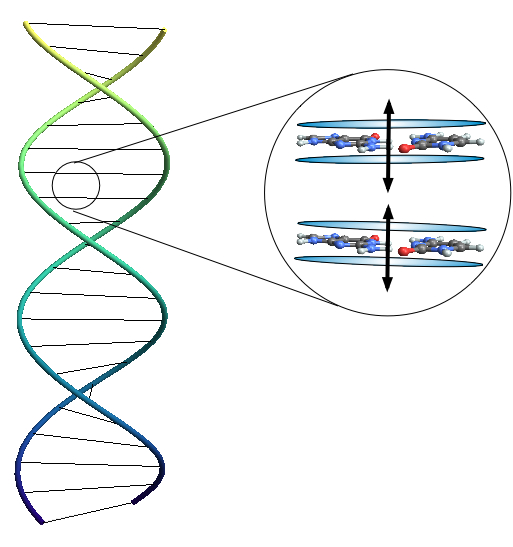
A very peculiar phenomenon of the quantum world is the so-called entanglement . Two particles in a state of entanglement are able, at least ostensibly, to provide each other information on its quantum state in a non-local, which for decades haunted the mind physicists. According to a study by Elisabeth Rieper the National University of Singapore on the phenomenon of ' quantum entanglement would have a key role in structuring the DNA, saying that even according to classical structural model of the molecule DNA would not have enough energy to remain united.
All these new data and findings suggest that the DNA, the molecule essential for life, still holds many secrets waiting to be discovered. Observations of the experimental data, although we provide new knowledge, often introduce new questions, making increasingly diverse and complex study of the phenomenon of life.
Recipes For Stonewall
FSH AS TISSUE MARKER ONCOLOGY
A hormone indicator of cancer
THE presence of the hormone FSH, follicle stimulating hormone, IN VARIOUS TYPES OF FABRICS AND INDICATION OF THE PRESENCE OF A TUMOR
Editorial MolecularLab.it (11/02/2010) |
How To Make Lube Out Of Household Items
PML AND PROLIFERATION CANCER PROTEIN
The PML protein responsible for tumor proliferation
a new study, University of Ferrara OPENS NEW PROSPECTS FOR DEVELOPMENT OF CANCER PREVENTION
The research, which opens new frontiers in the fight against cancer, showed that the PML protein is located not only in the nucleus (as already known) but also at sites of contact between the endoplasmic reticulum, member of the construction of proteins cell and the mitochondria, organelles necessary for cell energy production. The PML protein would thus have a crucial role in communication between the two organelles and its changes, as found by the researchers, lead to incorrect transmission between endoplasmic reticulum and mitochondria, it prevented the selective elimination of cancer cells. The study, published in Science, was funded by contributions from AIRC (Italian Association for Cancer Research) and also saw the participation of researchers coordinated by Professor Rosario Rizzuto, University of Padova and University Professor Charles Cleats Genoa and the San Raffaele Hospital in Milan. Editorial MolecularLab.it (03/11/2010) |
I Have White Blisters On My Gums
ONCOPRESSORE MSRA
Discovering the protein oncosopressore MSRA
THE MSRA plays a role ONCOSOPRESSORE PROTEIN IN TUMOR CELLS: NEW INTERESTING PROSPECTS FOR THE EARLY DIAGNOSIS AND TREATMENT OF CANCER
E 'was discovered a protein that blocks the development of cancer. This is the MSRA protein, a tumor suppressor, encoded by the homonymous gene that is activated in bacteria under stress caused by chemical compounds. It all started in 2001 during a study of microorganisms that were able to degrade toxic compounds in the environment, such as pesticides. This research was conducted by the research groups of Cesi, the center of aging Science Foundation University Gabriele D'Annunzio of Chieti and the Mario Negri Sud, Santa Maria Imbaro. Favaloro Bartolo, co-author and coordinator of the research group of gene regulation of Cesi said: "In bacteria, during the degradation of pollutants increased the level of oxidative stress and also the amount of MSRA and this would suggest that the protein to protect them from a possible death caused by these conditions. " Oxidative stress in human tumor cells, can in fact play an opposite role that foster growth. The purpose of the research team was therefore to determine whether the protein MSRA plays a protective role also in human cells. Favaloro says: "We first compared the amount of this protein in normal tissues and tumors, using as a model for studying breast cancer and we saw that actually in the cancer cells had lower levels of the MSR. So we assumed that the protein could play a tumor suppressor role. For further evidence, then we have grown in the laboratory and human breast cancer cells with molecular biology techniques have turned off the gene MSRA. The amount of protein in the cells is decreased and became more aggressive. " The results from this working group seems to confirm the anticancer role of this molecule. Favaloro concludes:" This discovery adds another piece to the understanding of the mechanisms involved in growth tumor. The identification of drugs able to restore normal levels of this protein in tumors could herald a new way to fight cancer. "The research was published in Proceedings of the National Academy of Sciences (PNAS) and in the journal Science- Business eXchange. Editorial MolecularLab.it (11/03/2010) |
Subscribe to:
Posts (Atom)